
Peptides have had a remarkable few years. What was once a quiet corner of regenerative and performance medicine is now something people hear about from their trainer, their neighbor, and roughly nine podcasts. Interest that broad usually outruns the expertise behind it, and with peptides it has — the compounds became easy to obtain long before the clinical judgment to use them properly became common.
That gap is precisely why Dr. Kamran Dastoury pursued formal certification in peptide therapy through the Seeds Scientific Research & Performance Institute, and why it’s worth explaining what that certification actually is rather than simply adding a line to a bio page.
First, what peptides actually are
Before the credential matters, the medicine has to make sense.
Peptides are short chains of amino acids — small proteins, essentially — that your body produces and uses as signaling molecules. They are messengers. They tell cells to repair tissue, release growth hormone, regulate appetite, produce collagen, modulate inflammation, or ramp immune activity up or down. You are running on peptides right now, and have been your whole life.
What changes with age, illness, chronic stress, or major surgery is not that these signals disappear, but that they get quieter and less coordinated. Recovery stretches from days into weeks. Body composition stops responding to the effort you put in. Energy and mental clarity flatten out. Skin loses the structural support it used to rebuild on its own. Therapeutic peptide protocols are an attempt to restore specific signals that have gone faint — which is a fundamentally different thing than forcing an outcome with a blunt instrument.
Our beginner’s guide to peptide wellness goes deeper on the categories if you want the fuller picture.
Because peptides work by signaling rather than by force, the details are everything. Which peptide, at what dose, on what schedule, in a body carrying your particular history and medications — those variables are not interchangeable, and this is the part that requires actual training rather than a product list.
What the SSRP Institute is
The Seeds Scientific Research & Performance Institute, founded in 2017, is a medical education organization devoted to cellular medicine and clinical peptide application. Since 2021 it has trained thousands of licensed providers — physicians, physician assistants, and nurse practitioners — and it has become one of the more rigorous paths available for a clinician who wants to practice peptide medicine seriously rather than adventurously.
That distinction matters more than most patients realize. Peptide therapy is not meaningfully covered in medical school or in most residencies. Nearly every physician prescribing peptides today learned about them afterward, on their own initiative, which means the depth of what any given provider knows varies enormously. A medical license confirms someone is qualified to practice medicine. It says nothing about whether they have studied this.
What the certification involved
The program is built around clinical reasoning rather than product familiarity, which is the single most useful thing about it.
Across multiple days of instruction, the curriculum works through roughly ten detailed patient profiles spanning metabolic restoration, hormone optimization, gastrointestinal health, musculoskeletal repair and athletic recovery, cardiac and respiratory rehabilitation, neurodegenerative and cognitive concerns, immune and viral recovery, and aesthetics. The faculty are practicing clinicians drawn from emergency medicine, integrative medicine, sports medicine, and regenerative care, led by the institute’s founder, William Seeds, MD. The coursework carries more than sixteen hours of continuing medical education credit.
It also has teeth. Certification requires passing a proctored fifty-question exam with a score of 90% or better. And it expires — recertification is required, with updated materials, so the protocols behind a patient’s plan stay tied to current evidence rather than quietly aging in place. Those two features are what separate a certification from an attendance certificate.
What it changes about care here
The practical answer is that a peptide plan at Modern Surgical Arts is designed rather than dispensed.
That starts with an actual consultation — what you’re taking, what you’ve had done, what your goals are, what your history suggests, and what the rest of your care looks like. From there, our peptide and wellness program is built around the areas patients most often come to us for: metabolic health and GLP-1 support for weight management, muscle and joint recovery, collagen, skin, and visible aging, mental clarity and focus, and immune resilience. Plans are adjusted based on how you respond, and reconsidered honestly when something isn’t earning its place.
There is one thing about our program that genuinely is unusual, and it isn’t the certification on its own. It’s that the same double board-certified cosmetic surgeon who understands surgical healing at a tissue level is the one designing the peptide protocol. Recovery is where those two disciplines meet most obviously — we’ve written about how peptides can support healing after surgery or injury, and the reason that works so well here is that nobody has to coordinate between two providers who have never spoken. It’s one plan, held by one person, in one place.
That’s also the thinking behind how we approach longevity and body recomposition more broadly: treat the system, not the symptom that happens to be loudest.
Where to start
If you’ve been curious about peptides but wary of how they’re being sold, that instinct is a good one — and the fix for it is a conversation with someone trained to give you a straight answer, including “this probably isn’t the right tool for what you’re describing” when that’s the truth.
Schedule your peptide consultation or call our Highlands Ranch office at 720-796-9307. You can also learn more about Dr. Dastoury and our practice.
Frequently Asked Questions
What is SSRP certification?
SSRP certification is a credential in clinical peptide therapy awarded by the Seeds Scientific Research & Performance Institute, a medical education organization founded in 2017. It requires completing a multi-day clinical curriculum, carries continuing medical education credit, and is earned by passing a proctored exam with a score of 90% or higher. The certification must be renewed rather than held indefinitely.
Does peptide therapy require a prescription?
Yes. Therapeutic peptides used clinically are prescribed by a licensed provider after an evaluation. Peptides marketed online as “research chemicals” are not intended for human use and are not held to pharmaceutical quality standards.
Is peptide therapy safe?
Under physician supervision, with appropriate screening and a vetted pharmacy source, peptide therapy is generally well tolerated. Most of the risk associated with peptides comes from obtaining them without an evaluation, from unverified sources, or without regard for the rest of a person’s medical picture.
How soon would I notice anything?
It varies by peptide and by goal. Changes tied to recovery and energy are sometimes noticed within weeks, while metabolic and body composition changes generally unfold over months. Anyone offering you a precise timeline before evaluating you is guessing.
Can peptides be combined with a GLP-1 medication?
Frequently, yes — but the combination should be designed deliberately rather than stacked casually. If you’re already taking one, our post on what to know about your new GLP-1 medication is a useful starting point, and worth bringing to your consultation.
Can I use peptides around a cosmetic procedure?
This is one of the most common reasons patients ask us about peptides, and it’s a conversation worth having well before a procedure date. Timing matters, certain peptides suit particular phases of healing, and the plan should be coordinated with your surgical care rather than run alongside it independently.
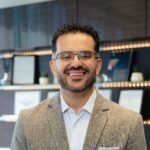
Dr. Kamran Dastoury is a double board-certified cosmetic surgeon with advanced training in both maxillofacial and aesthetic surgery, bringing unmatched expertise to every patient he serves. After earning his dental and medical degrees from USC and LSU, he went on to complete over seven years of intensive surgical training, including a fellowship in facial and body cosmetic surgery under the mentorship of world-renowned leaders in the field. His specialties include facelifts, rhinoplasty, eyelid surgery, liposuction, and body contouring—always delivered with a highly personalized approach that prioritizes safety, artistry, and natural-looking results. In 2025, Dr. Dastoury also completed his SSRP peptide therapy certification, expanding his knowledge of innovative approaches to aesthetic and wellness care. Beyond his surgical excellence, Dr. Dastoury is deeply committed to advancing the field through research, teaching, and global mission work, making him a trusted and compassionate choice for patients seeking transformative results.
Dr. Kamran Dastoury
Dr. Kamran Dastoury is a double board-certified cosmetic surgeon with advanced training in both maxillofacial and aesthetic surgery, bringing unmatched expertise to every patient he serves. After earning his dental and medical degrees from USC and LSU, he went on to complete over seven years of intensive surgical training, including a fellowship in facial and body cosmetic surgery under the mentorship of world-renowned leaders in the field. His specialties include facelifts, rhinoplasty, eyelid surgery, liposuction, and body contouring—always delivered with a highly personalized approach that prioritizes safety, artistry, and natural-looking results. In 2025, Dr. Dastoury also completed his SSRP peptide therapy certification, expanding his knowledge of innovative approaches to aesthetic and wellness care. Beyond his surgical excellence, Dr. Dastoury is deeply committed to advancing the field through research, teaching, and global mission work, making him a trusted and compassionate choice for patients seeking transformative results.