
Recovery is one of the most important parts of any surgical or injury healing process, and yet it is also one of the most overlooked. Most people focus on the procedure itself but give less thought to what happens in the weeks and months that follow. If you have been searching for ways to support your body during recovery, you may have come across peptide therapy. At Modern Surgical Arts of Denver, we offer medically guided peptide wellness programs that can be customized to support patients through a range of healing goals, including post-surgical and post-injury recovery.
Why Recovery Takes the Time It Does
When your body goes through surgery or sustains an injury, it launches a complex repair process. Tissues need to rebuild, inflammation needs to be managed, and your muscles and connective structures need to regain their strength and function. This process relies heavily on the body’s own signaling systems, including naturally occurring peptides that tell your cells how and when to repair themselves.
The challenge is that this natural repair process can slow down due to age, stress, nutritional deficiencies, or the sheer extent of the tissue involved. That is where targeted peptide therapy may be able to help by reinforcing those signals and giving your body’s healing systems a well-timed boost.
How Peptides Support the Healing Process
Certain therapeutic peptides have been studied for their ability to support tissue repair, reduce inflammation, and promote the regeneration of muscle, connective tissue, and skin. While no therapy can replace proper rest, nutrition, and follow-up care, peptides can serve as a meaningful complement to your overall recovery plan. Some of the specific ways they may help include the following:
- Reducing post-surgical inflammation in the surrounding tissues
- Supporting the repair of muscle fibers and connective structures
- Promoting collagen synthesis, which is essential for wound healing and skin recovery
- Stimulating natural growth hormone production to aid in overall tissue restoration
- Improving blood flow to injured areas to support nutrient delivery and cellular repair
At Modern Surgical Arts of Denver, our peptide menu includes options specifically suited to recovery goals. For example, our regenerative peptide blend is designed to enhance blood flow, support musculoskeletal healing, and promote tissue regeneration. We also offer a joint repair peptide that targets inflammation and accelerates muscle and joint repair, making it particularly useful for patients recovering from orthopedic procedures or sports-related injuries.
Peptide Names You May Come Across in Recovery Settings
As you research peptide therapy for recovery, you will likely encounter specific peptide names. Knowing what these are and where they stand from a regulatory standpoint can help you ask the right questions and feel more confident in your care. Peptides fall into two broad groups: those that are FDA-approved medications, and those that are available through licensed compounding pharmacies under a physician’s prescription as off-label therapeutics.
On the FDA-approved side, Tesamorelin and Sermorelin are two peptides with established clinical histories. Both work by stimulating growth hormone pathways in the body, and both have been used in physician-guided wellness programs to support body composition, metabolism, and tissue function. These are well-studied options that your provider may consider depending on your goals.
There is also a group of peptides that, while not FDA-approved drugs, are available through licensed compounding pharmacies with a valid prescription. In early 2026, several peptides that had been placed on a restricted list were reclassified, meaning they can once again be legally compounded and prescribed by physicians. This regulatory landscape continues to evolve, and your provider will always guide your care based on what is current and appropriate. Among the peptides in this compounded category that are particularly relevant to recovery, the following are commonly discussed:
- BPC-157, which has been studied for tissue repair, gut healing, and its potential to reduce inflammation in injured areas
- TB-500 (Thymosin Beta-4), studied for muscle repair, improved flexibility, and post-injury recovery support
- CJC-1295 combined with Ipamorelin, a growth hormone-releasing combination studied for supporting lean muscle, sleep quality, and overall tissue restoration
- GHK-Cu, a copper peptide studied for wound healing, collagen synthesis, and skin regeneration after procedures
- Thymosin Alpha-1, studied for immune modulation, which can be relevant for patients whose immune systems are taxed during post-surgical recovery
It is important to understand that availability through compounding does not mean FDA approval. These peptides remain off-label therapeutics that require physician oversight, appropriate dosing, and ongoing monitoring. At Modern Surgical Arts of Denver, every peptide protocol is built around your individual health picture, not a one-size-fits-all formula.
Peptides for Post-Surgical Recovery Specifically
For patients who have undergone cosmetic or reconstructive surgery, recovery support is especially relevant. Procedures like liposuction, tummy tucks, facelifts, and body contouring all involve significant tissue manipulation, and the body’s ability to heal efficiently can directly influence how smoothly the results emerge. Peptides that support collagen production and reduce inflammation may help the healing process feel more manageable and support better long-term outcomes.
It is worth noting that peptide therapy is not a shortcut. Healing still takes time, and your care team at Modern Surgical Arts of Denver will always be clear about what realistic expectations look like for your specific situation. What peptides can do is work alongside your body’s own healing mechanisms to help you feel more supported during that process.
A Physician-Led Approach Makes All the Difference
Not all peptide programs are created equal, and choosing a medically supervised approach is important, especially during recovery when your body is already under physical stress. Dr. Dastoury brings a uniquely qualified perspective to peptide wellness. As a double board certified cosmetic surgeon with a medical degree from LSU School of Medicine and six years of specialty training in maxillofacial surgery at a Level I trauma hospital in New Orleans, he has deep clinical experience with how the body heals from surgery and injury. His additional fellowship training through the American Academy of Cosmetic Surgery further refined his expertise in body restoration and recovery.
That depth of surgical and medical knowledge informs every aspect of how peptide wellness therapy in Denver is offered at this practice. Patients are not handed a generic protocol. Instead, each plan is built around your health history, your procedure, and your specific recovery goals.
What to Expect When You Get Started
If you are interested in using peptide therapy to support your recovery, the first step is a consultation with our team. We will review your medical background, learn about your procedure or injury, and discuss which peptides may be a good fit for your situation. Most therapeutic peptides used for recovery are administered through small subcutaneous injections, and your provider will walk you through the process so you feel comfortable from the start.
Timelines vary depending on the individual and the extent of healing needed, but many patients begin to notice improvements in energy, reduced soreness, and a general sense of feeling more like themselves within the first few weeks of therapy.
Start Your Recovery with the Right Support
You put time and trust into your procedure or your rehabilitation. Your recovery deserves that same level of intention. If you are in the Denver area and would like to learn more about whether peptide therapy could be a helpful part of your healing journey, we would love to hear from you.
Fill out our online consultation form at modernsurgicalarts.com/schedule-consultation and a member of our team will be in touch to help you take the next step.
Frequently Asked Questions About Peptides and Recovery
Can I use peptide therapy while I am still in the early stages of recovery?
In many cases, yes, but this depends on the type of procedure you had, your current health status, and how far along you are in healing. Some peptides are appropriate to begin shortly after surgery while others may be better introduced once the initial healing phase has passed. Your provider will review your situation during a consultation and help determine the right timing for your specific case.
Are peptides safe to use alongside other post-surgical medications?
Most therapeutic peptides have a good safety profile and are generally well-tolerated, but it is always important to disclose all medications and supplements you are taking to your provider before starting any new therapy. This ensures your plan is built with your full picture in mind and that there are no interactions to be concerned about.
How is peptide therapy different from taking collagen supplements for recovery?
Oral supplements like collagen powders are digested and broken down before they can reach their intended targets in the body. Therapeutic peptides used in clinical programs are pharmaceutical-grade compounds typically delivered through injection, which allows them to be absorbed much more effectively and act more precisely on the tissues they are intended to support.
Will peptide therapy replace the need for physical therapy or other rehabilitation?
No. Peptide therapy is intended to complement your recovery plan, not replace any part of it. Physical therapy, rest, proper nutrition, and follow-up care with your surgical or medical team remain essential. Peptides can serve as a supportive tool that works alongside these standard recovery practices.
How long do I need to use peptide therapy to see results during recovery?
This varies based on the individual, the peptides being used, and the nature of the injury or surgery involved. Some patients begin to notice improvements in energy, reduced soreness, or improved mobility within a few weeks. More significant tissue repair goals may take several months of consistent therapy. Your provider will help set realistic expectations during your consultation and check in on your progress along the way.
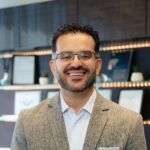
Dr. Kamran Dastoury
Dr. Kamran Dastoury is a double board-certified cosmetic surgeon with advanced training in both maxillofacial and aesthetic surgery, bringing unmatched expertise to every patient he serves. After earning his dental and medical degrees from USC and LSU, he went on to complete over seven years of intensive surgical training, including a fellowship in facial and body cosmetic surgery under the mentorship of world-renowned leaders in the field. His specialties include facelifts, rhinoplasty, eyelid surgery, liposuction, and body contouring—always delivered with a highly personalized approach that prioritizes safety, artistry, and natural-looking results. In 2025, Dr. Dastoury also completed his SSRP peptide therapy certification, expanding his knowledge of innovative approaches to aesthetic and wellness care. Beyond his surgical excellence, Dr. Dastoury is deeply committed to advancing the field through research, teaching, and global mission work, making him a trusted and compassionate choice for patients seeking transformative results.