
Post-operative care is an integral part of your recovery after surgery at Modern Surgical Arts. While every procedure is different, following your post-op instructions helps support healing, reduce the risk of complications, and improve overall results. Our surgical team will provide personalized guidance so you know what to expect once you return home. Proper care after surgery is essential to how well and how quickly your body recovers.
What to Expect After Surgery
It is normal to experience swelling, bruising, soreness, and fatigue after surgery. Some patients may feel groggy or tired as anesthesia wears off. Depending on the procedure, you may also notice tightness, mild drainage, or temporary numbness near incision sites.
Nausea or upset stomach can occur within the first 24 hours, often related to anesthesia or pain medication. Rest, drinking fluids, and taking medications as instructed can help reduce these symptoms. Light meals and a high-protein diet can support healing. You should plan to have someone available to help with transportation and basic needs during the first few days after surgery.
Pain Control After Surgery
Some discomfort is expected during recovery. Your surgeon may prescribe pain medication or recommend over-the-counter options based on your procedure and medical history. Take medications exactly as directed, and do not combine medications unless your provider approves.
Pain that becomes severe, suddenly worsens, or is accompanied by fever, increasing swelling, or redness should be reported to our office. Elevation, rest, and cold compresses may help reduce swelling and improve comfort.
Incision Care and Drains
Keeping incision sites clean and dry is vital for proper healing. It is essential to follow all wound care instructions provided by your surgical team. Do not apply ointments or products to incision areas unless instructed.
If drains are placed, they help remove excess fluid and are usually temporary. You will receive instructions on how to care for them at home. Contact the office if you notice increasing redness, warmth, drainage with odor, or fever.
Activity and Movement
Light movement after surgery helps support circulation and reduce the risk of blood clots. Short walks are allowed as soon as you are able. We recommend that you avoid strenuous activity, heavy lifting, and exercise until your surgeon clears you to resume these activities. Some patients may be asked to wear compression garments or stockings to reduce swelling and support circulation. While rest is essential, prolonged bed rest should be avoided unless directed by your surgeon.
Nutrition and Lifestyle During Recovery
Drinking fluids and eating balanced meals help your body heal. Focus on nutrient-dense foods, especially protein-rich foods. Smoking and alcohol should be avoided, as they can slow healing and increase the risk of complications. It is important that you take only medications, supplements, or blood thinners approved by your surgical team.
Healing and When to Call the Office
Healing happens gradually over several weeks. Swelling and bruising improve over time, and incision areas continue to heal beneath the skin. Most patients recover without complications, but infections, blood clots, or increased swelling can occur. Contact Modern Surgical Arts if symptoms worsen, do not improve, or cause concern at any point. If something feels unusual or concerning, it is best to reach out.
Follow-Up Appointments
Follow-up visits allow your surgeon to check healing, remove sutures or drains if needed, and ensure recovery is progressing as expected. Open communication with our team is essential throughout your recovery.
Procedure-Specific Instructions
You will receive detailed instructions specific to your procedure before leaving the surgical center. These include medication use, wound care, activity limits, and signs to watch for. Following these instructions closely helps support safe healing and good results.
Contact Modern Surgical Arts
If you have questions or concerns during your recovery, contact Modern Surgical Arts. Our team is here to support you throughout the healing process.
Cosmetic Surgery Post-Operative Care FAQ
At Modern Surgical Arts of Denver, post-operative care is an essential part of achieving safe healing and excellent cosmetic results. While every cosmetic surgery procedure is different, following your post-operative instructions carefully helps support healing, reduce the risk of complications, and improve your final outcome.
Dr. Kamran Dastoury, MD, and the team at Modern Surgical Arts provide personalized guidance so patients understand what to expect during recovery after procedures such as liposuction, body contouring, facial cosmetic surgery, and skin tightening treatments.
Our practice emphasizes a holistic and patient-centered recovery approach, helping patients optimize their health before surgery and supporting the body’s healing process afterward.
What should I expect after cosmetic surgery?
It is normal to experience swelling, bruising, soreness, and fatigue after cosmetic surgery. Some patients may feel groggy or tired as anesthesia wears off. Depending on the procedure, you may also notice tightness, mild drainage, or temporary numbness near incision sites.
Nausea or an upset stomach can occur within the first 24 hours, often related to anesthesia or pain medication. Rest, hydration, and taking medications as directed can help reduce these symptoms.
Light meals and a high-protein diet are recommended to support healing. Patients should plan to have assistance with transportation and basic needs during the first few days after surgery.
How does Modern Surgical Arts approach cosmetic surgery recovery?
At Modern Surgical Arts of Denver, we take a holistic and patient-centered approach to post-operative care.
Our recovery philosophy focuses on optimizing the body both before and after surgery to improve healing and patient comfort.
Key components of our approach include:
• Increasing protein intake prior to surgery
• Medical-grade vitamin and mineral supplementation
• Anti-inflammatory supplements that support healing
• Close follow-up care and monitoring
• Lymphatic massage therapy to reduce swelling and bruising
This comprehensive strategy helps promote faster recovery, reduced inflammation, and improved patient experience after cosmetic surgery.
How long does swelling last after liposuction?
Swelling is a normal part of the healing process after liposuction and body contouring procedures.
Typical recovery timeline:
• Initial swelling improves over the first several weeks
• Most patients return to normal functional activity by about 6 weeks
• Mild soft-tissue swelling may linger for up to 3 months
Final cosmetic results typically become visible between 3–6 months, particularly when advanced body contouring technologies are used.
At Modern Surgical Arts, procedures that incorporate technologies such as Renuvion radiofrequency skin tightening or the AYON plasma device continue to produce skin contraction and contour improvement for several months after surgery.
When can I exercise after cosmetic surgery?
Light walking is encouraged shortly after surgery because it improves circulation and helps reduce the risk of blood clots.
Most patients follow this general timeline:
• First 2–3 weeks: light walking and gentle movement
• Around 3 weeks: return to light exercise at approximately 50% intensity
• 6 weeks: most patients return to full activity without limitations
Dr. Dastoury provides individualized recommendations depending on the type of cosmetic procedure performed.
What helps reduce bruising after cosmetic surgery?
Bruising is common after procedures such as liposuction and body contouring, but several strategies can help reduce it.
At Modern Surgical Arts of Denver, our post-operative protocol may include:
• Arnica Montana, a natural supplement used to help reduce bruising
• Bromelain, a pineapple-derived enzyme with anti-inflammatory properties
• Medical-grade vitamin supplementation to support healing
In addition, we offer professional lymphatic drainage massage therapy performed by trained specialists, which can significantly help reduce swelling and bruising while improving circulation during recovery.
How long should I wear compression garments after liposuction?
Compression garments are an important part of recovery after liposuction and body contouring procedures.
Most patients are advised to wear compression garments:
• 22 hours per day during the first 3 weeks
• 12 hours per day for the following 3 weeks
Depending on the procedure and healing progress, some patients may continue wearing compression garments for 8–12 weeks.
Compression helps reduce swelling, support healing tissues, and improve overall contour results.
When can I shower after cosmetic surgery?
Showering instructions depend on the procedure performed.
For liposuction-only procedures with minimal incisions, most patients may shower within 48 hours after surgery.
For procedures involving larger incisions or dressings, patients may be advised to wait up to one week before showering.
Patients will receive procedure-specific instructions from the Modern Surgical Arts surgical team before leaving the surgery center.
How long does it take to see liposuction results?
Many patients begin noticing improvement within several weeks, but final results take time as swelling resolves and tissues heal.
Typical timeline:
• Around 6 weeks: significant improvement as swelling decreases and normal activity resumes
• 3–6 months: final cosmetic results become visible
For procedures using advanced technologies such as Renuvion or AYON skin tightening, skin contraction and tissue remodeling can continue for several months, leading to further improvement in body contour.
Results often continue to refine as patients return to exercise and normal activity.
Pain Control After Surgery
Some discomfort is expected during recovery. Your surgeon may prescribe pain medication or recommend over-the-counter options based on your procedure and medical history.
Take medications exactly as directed and do not combine medications unless approved by your provider.
Pain that becomes severe, suddenly worsens, or is accompanied by fever, increasing swelling, or redness should be reported to our office.
Elevation, rest, and cold compresses may help reduce swelling and improve comfort.
Incision Care and Drains
Keeping incision sites clean and dry is vital for proper healing.
Follow all wound care instructions provided by your surgical team and avoid applying ointments or products to incision areas unless instructed.
If surgical drains are placed, they help remove excess fluid and are usually temporary. Patients will receive instructions on how to care for drains at home.
Contact the office if you notice increasing redness, warmth, drainage with odor, or fever.
Activity and Movement After Surgery
Light movement after surgery helps support circulation and reduce the risk of blood clots.
Short walks are encouraged as soon as patients are able. However, strenuous activity, heavy lifting, and exercise should be avoided until cleared by your surgeon.
Some patients may also be asked to wear compression garments or stockings to support circulation and reduce swelling.
Nutrition and Lifestyle During Recovery
Nutrition plays an important role in surgical recovery.
Patients should focus on:
• Drinking adequate fluids
• Eating balanced meals
• Consuming protein-rich foods to support healing
Smoking and alcohol should be avoided during recovery because they can slow healing and increase the risk of complications.
Healing and When to Call the Office
Healing occurs gradually over several weeks. Swelling and bruising improve over time, and incision sites continue to heal beneath the skin.
While most patients recover without complications, contact Modern Surgical Arts of Denver if symptoms worsen or if you experience:
• Fever
• Increasing swelling or redness
• Unusual drainage
• Severe or worsening pain
If something feels unusual or concerning, it is best to contact our office.
Follow-Up Appointments
Follow-up visits allow Dr. Dastoury to monitor healing progress, remove sutures or drains if needed, and ensure recovery is progressing as expected.
Open communication with the Modern Surgical Arts team is essential throughout your recovery.
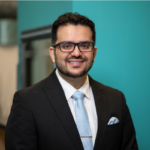
Dr. Kamran Dastoury is a double board-certified cosmetic surgeon with advanced training in both maxillofacial and aesthetic surgery, bringing unmatched expertise to every patient he serves. After earning his dental and medical degrees from USC and LSU, he went on to complete over seven years of intensive surgical training, including a fellowship in facial and body cosmetic surgery under the mentorship of world-renowned leaders in the field. His specialties include facelifts, rhinoplasty, eyelid surgery, liposuction, and body contouring—always delivered with a highly personalized approach that prioritizes safety, artistry, and natural-looking results. Beyond his surgical excellence, Dr. Dastoury is deeply committed to advancing the field through research, teaching, and global mission work, making him a trusted and compassionate choice for patients seeking transformative results.